Secrets of winning big at online casinos revealed
The concept of luck in gambling
Luck is often at the forefront of discussions surrounding gambling and casinos. Many players believe that luck plays a pivotal role in determining the outcomes of games such as slots, blackjack, and roulette. This belief is deeply rooted in the unpredictable nature of these games, where results can change in an instant, leaving players either ecstatic or disheartened. Additionally, some enthusiasts enjoy exploring the thrill of an online casino where chance and strategy intersect, leading to exciting experiences and potential rewards. Advocates of luck assert that certain individuals are born under a lucky star, leading them to seemingly frequent wins while others struggle to break even.
The perception of luck in gambling can lead to various behaviors, including superstitions and rituals that players adopt in hopes of improving their odds. For instance, some people may wear their «lucky socks» or utilize specific betting patterns they believe bring them good fortune. While there is no scientific proof backing these practices, they add an emotional layer to the gaming experience, making it more engaging. The thrill of hoping for luck to strike plays a significant role in the enjoyment of casino games.
However, it is essential to recognize that luck is just one component of the complex equation that dictates success in gambling. Many seasoned gamblers argue that success is primarily a function of skill, strategy, and understanding of the games involved. Therefore, while luck can undoubtedly influence short-term outcomes, it may not be the decisive factor in long-term success at the casino.
The role of skill and strategy
While luck can have its moments, the role of skill and strategy should not be overlooked. Players who take the time to understand the intricacies of their chosen game can significantly increase their chances of success. For example, understanding card counting in blackjack or recognizing the odds in poker can lead to more informed decisions that enhance a player’s edge over the house. Knowledge can empower players to make strategic moves that can turn the tides in their favor.
Moreover, different games require varying levels of skill. For instance, while slot machines are predominantly luck-based, games like poker and blackjack involve substantial skill components. Experienced players can read their opponents, calculate probabilities, and make decisions that can sway the outcome, often leading to more consistent results compared to pure luck-driven games. Therefore, while luck may occasionally influence the outcome, mastery of the game can create a more stable success trajectory.
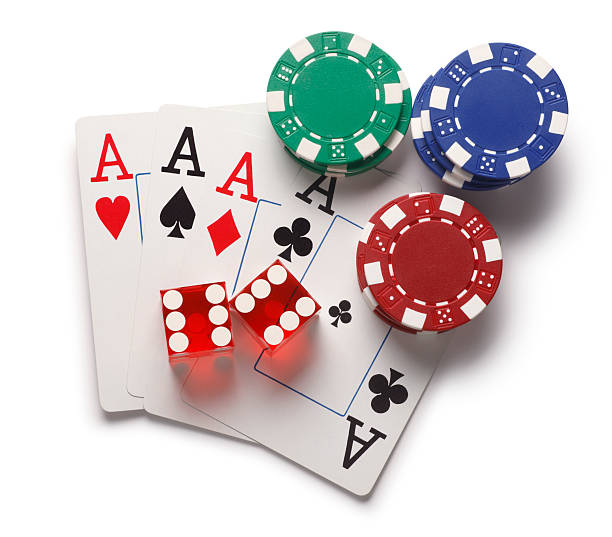
In essence, a blend of luck and skill is what many successful gamblers credit for their achievements. A skilled player may find that luck favors them more often due to their capability to capitalize on opportunities as they arise. This balance showcases the complex nature of gambling, where sheer luck can occasionally shine, but skill is often what sustains long-term victories.
Psychological aspects of gambling
The psychological components of gambling play a crucial role in how players perceive luck and outcomes. Cognitive biases, such as the illusion of control, can lead individuals to believe they have more influence over the results than they truly do. For example, a player might think that by employing a specific strategy or performing rituals, they can sway luck in their favor. This mindset can enhance their gambling experience, despite the reality that many outcomes are random.
Additionally, the concept of «near misses» can significantly impact a player’s perception of luck. When individuals experience close calls, such as nearly hitting a jackpot, it can create a false sense of hope and encourage them to continue playing. This psychological phenomenon can lead players to chase their losses, believing that luck is just around the corner. Understanding these psychological factors is crucial for players who wish to maintain a healthy relationship with gambling and not fall into the trap of over-relying on luck.
Ultimately, players must develop a comprehensive understanding of both psychological dynamics and the nature of luck in gambling. A rational mindset helps to balance expectations, allowing players to enjoy the thrill of games while also recognizing the limits of chance and skill. This awareness can lead to more responsible gambling experiences and better overall outcomes.
The impact of casino design and atmosphere
Casino design and atmosphere significantly influence how players perceive their chances of winning. Many casinos employ strategies such as bright lights, enticing sounds, and visually appealing layouts to create an immersive environment that heightens excitement. This carefully crafted ambiance can enhance players’ belief in luck, making them feel more optimistic about their potential for success. The very design of a casino can manipulate feelings and emotions, creating an illusion that luck is more prevalent.

The interaction between players and the casino environment can amplify feelings of euphoria when wins occur, further solidifying the connection between luck and success. For example, celebratory sounds and flashing lights upon winning can lead players to believe that luck is consistently present. This emotional high can lead individuals to engage in more gambling, driven by the belief that they are in a lucky streak. However, it’s vital for players to recognize this as part of the casino’s marketing strategy rather than a reflection of their actual luck.
Additionally, the presence of other players can contribute to a sense of camaraderie and shared luck. Conversations and collective cheers during wins can create a shared positive atmosphere, reinforcing the idea that luck is in the air. However, individuals must remain cautious and realistic about their chances to ensure responsible gambling practices. Ultimately, while the casino environment can enhance the illusion of luck, it is important for players to retain perspective and not be swayed by external influences.
Exploring responsible gambling
The concept of luck in gambling highlights the importance of responsible playing. Understanding the role of both luck and skill allows players to engage in gambling with a healthy mindset. Recognizing that losing is just as probable as winning can prevent unrealistic expectations and the pitfalls of problematic gambling behavior. Approaching casino games with a balanced perspective fosters a more enjoyable experience while minimizing the risks associated with gambling.
Establishing personal limits is vital for responsible gambling. Players should set budgets for their gambling activities and adhere to them, ensuring that they enjoy gaming without incurring financial hardship. Additionally, taking breaks during sessions helps players remain mindful of their decisions, allowing them to reflect on their experiences rather than getting caught up in the thrill of the moment. This kind of self-regulation is crucial for maintaining a positive relationship with gambling.
Ultimately, being aware of the interplay between luck, skill, and the psychological factors at play can enhance players’ experiences. By focusing on responsible gambling practices, individuals can enjoy the elements of luck and excitement without allowing them to overshadow the importance of informed decision-making. This balanced approach ensures players can engage with casino games in a way that enriches their entertainment while safeguarding their well-being.