Understanding the psychology behind casino games
The Allure of Risk and Reward
Casino games are intricately designed to tap into human psychology, particularly through the thrill of risk and reward. Players often find themselves drawn to the potential for significant financial gain, which is heightened by the excitement that accompanies risk-taking and the emergence of platforms like new online casino options. The uncertain nature of gambling creates a rush of adrenaline, making players more likely to engage and continue playing. This allure of potential rewards, especially when coupled with the excitement of not knowing the outcome, contributes significantly to the addictive nature of these games.
Moreover, cognitive biases play a critical role in how individuals perceive the chances of winning. For instance, the “gambler’s fallacy”—the belief that past events can influence future outcomes—can lead players to make irrational decisions. They may think that a winning streak will continue or that a losing streak is destined to end, leading them to take bigger risks. This psychological phenomenon explains why many players find it hard to walk away even when they are at a loss, as they cling to the hope that their luck will change.
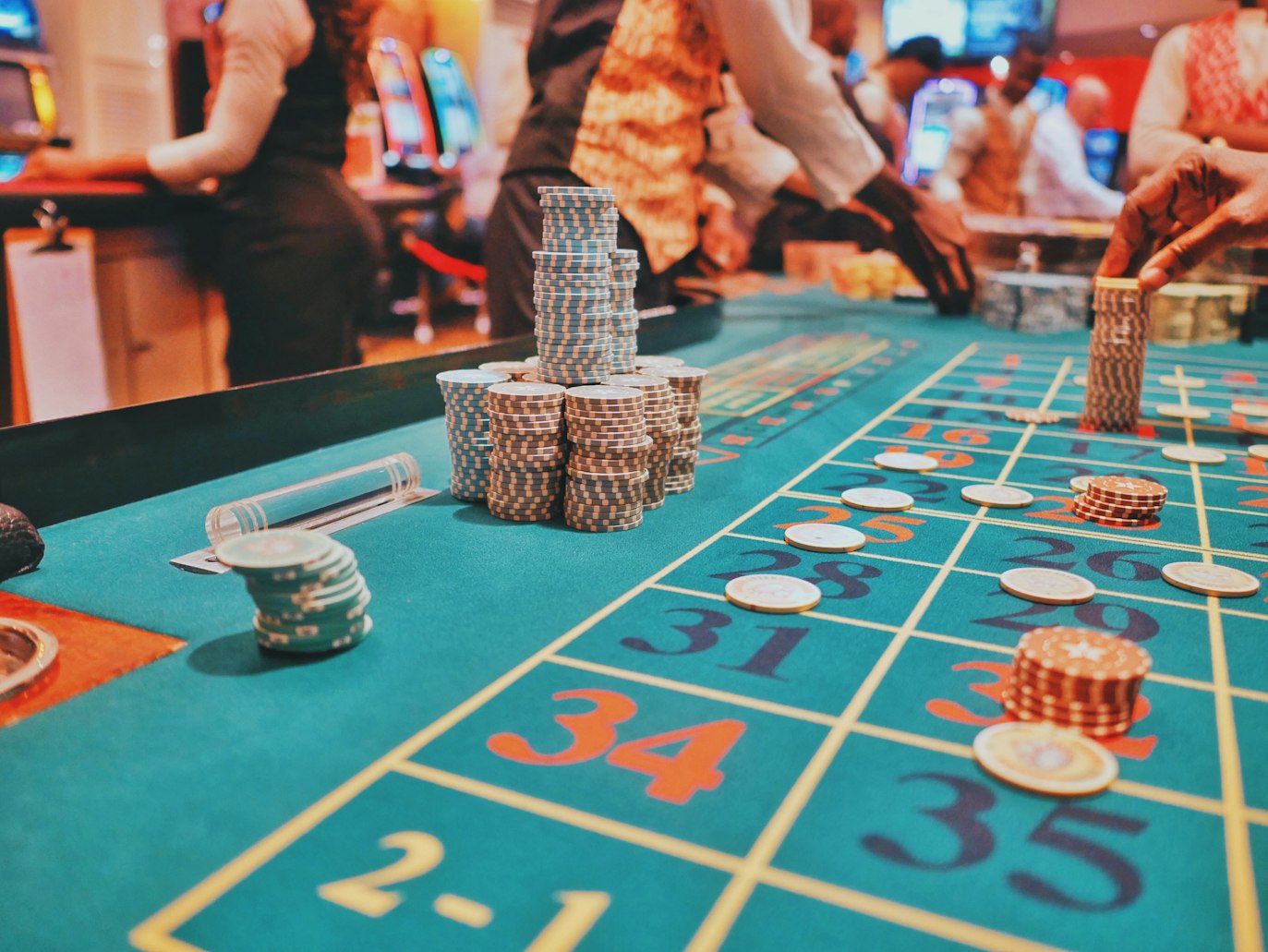
The casino environment itself is carefully curated to enhance this risk-reward dynamic. Bright lights, thrilling sounds, and engaging visuals all contribute to an atmosphere that can be overwhelmingly stimulating. This sensory overload often distracts players from their losses, making them more likely to continue betting in hopes of recouping their expenditures. In essence, the combination of psychological factors and environmental cues fosters an experience that keeps individuals eager to play, even when the odds are not in their favor.
The Role of Psychology in Game Design
The design of casino games is heavily influenced by psychological principles aimed at maximizing player engagement. Game developers incorporate various elements such as varying levels of difficulty, immersive themes, and interactive features to hold players’ attention. For instance, slot machines often include progressive jackpots that increase over time, creating a sense of urgency and excitement among players. The anticipation of hitting a big win drives them to play longer, reinforcing their belief in eventual success.
Furthermore, the use of rewards, both tangible and intangible, plays a pivotal role in player retention. Small wins, often called “near misses,” can evoke feelings of hope and excitement, leading players to believe that they are close to winning. This psychological trick can motivate individuals to keep playing, even if they are predominantly losing money overall. The intermittent reinforcement schedule present in many games creates a compelling feedback loop that encourages ongoing participation.
Additionally, social psychology influences the way players interact with each other and the gaming environment. Many casino games feature multiplayer options, fostering a sense of community and shared experience. This social aspect can enhance the enjoyment of gaming, making players more likely to return. The camaraderie formed in these settings can also amplify the excitement, as players celebrate wins together and commiserate over losses, deepening their emotional investment in the game.
The Impact of Emotion on Gambling Behavior
Emotion plays a significant role in shaping gambling behavior, as players often gamble to escape from stress or to enhance positive feelings. Many individuals turn to casino games during moments of emotional turmoil, seeking solace in the thrill of the game. This coping mechanism can lead to compulsive gambling behaviors, as players may prioritize gaming over essential responsibilities or social interactions. Understanding this emotional aspect is crucial for recognizing the fine line between healthy gaming and gambling addiction.
Moreover, the excitement of gambling can create a euphoric state, often referred to as “the high of gambling.” This emotional high is fueled by the anticipation of potential wins and the thrill of unpredictable outcomes. However, such emotions can be fleeting, and when reality sets in, players might experience regret or frustration, leading them to chase losses. This cyclical pattern of emotional highs and lows can result in an increased desire to gamble, further complicating the relationship between emotion and gaming behavior.
Interestingly, the emotional aspect of gambling is also exploited by casinos through promotional tactics. Special events, tournaments, and loyalty programs are designed to evoke positive emotions, encouraging repeat visits from players. Casinos create a narrative that combines excitement with exclusivity, making players feel valued and enhancing their emotional connection to the games. This strategic manipulation of emotions can effectively keep players coming back, further entrenching them in the gambling experience.
The Influence of Environment on Gameplay
The physical environment of casinos is intentionally crafted to enhance the gaming experience, influencing player behavior and decision-making. Casinos often utilize color psychology, with bright colors stimulating excitement and darker hues creating a more relaxed atmosphere. The layout of gaming areas is also meticulously planned to maximize foot traffic and encourage players to engage with multiple games, inevitably leading to increased spending. This designed flow guides players through an exhilarating experience that can be hard to resist.

Additionally, the absence of clocks and windows in many casinos creates a disorienting effect, making it difficult for players to gauge the passage of time. This manipulation can lead to extended gaming sessions, as players become enveloped in the casino’s exciting atmosphere and lose track of their spending and time. This psychological trick leverages the thrill of gambling while simultaneously encouraging longer play, resulting in increased profits for the casino.
Sound design also plays a crucial role in shaping the gaming environment. The auditory stimuli of jingles, cheers, and the spinning of wheels create an ambiance that promotes excitement and positive reinforcement. These sounds serve as cues that enhance the perceived value of wins, making even small victories feel significant. The overall sensory experience in a casino is finely tuned to elicit emotional responses, driving continued engagement and participation in the gaming activities.
In Conclusion: Exploring Resources for Responsible Gaming
Understanding the psychology behind casino games can empower players to make informed decisions about their gambling habits. As the intricate interplay of risk and reward, game design, emotional influences, and environmental factors come together, it becomes clear how easily one can become engrossed in this world. With knowledge comes the responsibility to engage in gaming activities mindfully, recognizing the potential for addiction and the importance of setting boundaries.
For those interested in diving deeper into the psychological aspects of gambling, many resources are available that promote responsible gaming. Numerous organizations provide essential information on addiction prevention and offer support for individuals struggling with gambling-related issues. Engaging with these resources can foster a healthier relationship with gambling, ensuring that the experience remains enjoyable without compromising personal well-being.
By exploring these insights and resources, players can enhance their understanding of how psychological factors influence their behavior in casinos. With this awareness, individuals can approach gaming with a balanced mindset, focusing on enjoyment rather than compulsion, ultimately leading to a more fulfilling and responsible gaming experience.